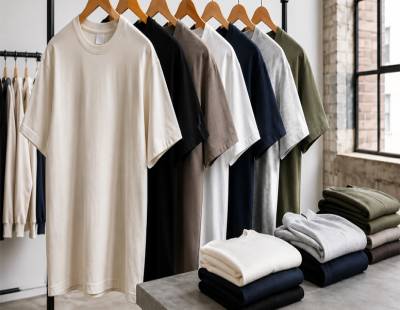
How to Choose the Best T-Shirt Manufacturer for Your Clothing Brand
Choosing the right T-Shirt Manufacturer is , honestly one of the most crucial decisions for any clothing brand. Becau...
Read More
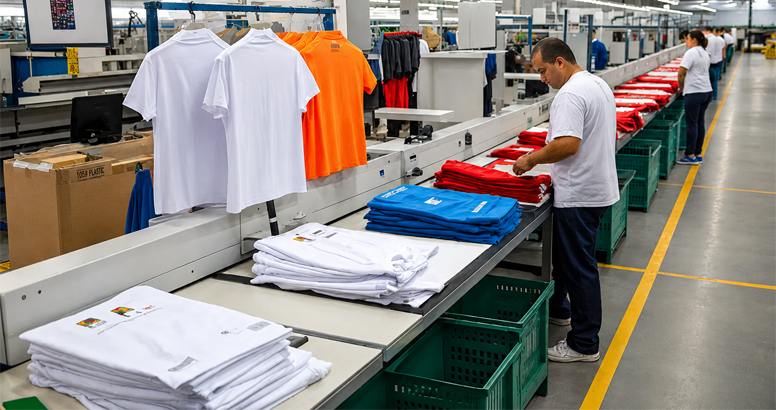
Custom T-shirts have become kind of a big deal within clothing brands, corporate clothing, promotional pushes, events, and even private label collections. But making a really good custom T-shirt isn’t just, like pick a design and press it onto fabric, done.
A trusted Custom T-Shirt Manufacturer typically handles a bunch of steps, from fabric picking to sizing, then customization, sampling, bulk production , and finally quality control. If a brand understands how all this works it can make less stressful, better choices when planning customized apparel.
It all begins with choosing the correct fabric. Some T-shirt ideas work better with one fabric composition than another, and yes weight and finishing matter, a lot.
You’ll usually see cotton, organic cotton, polyester, or blended options. GSM is important too, because it influences how heavy the shirt feels, how it looks on-body , and how long it tends to hold up.
At the same time, brands should lock in the whole T-shirt profile, like colours , sizes, fit, and any other specs that affect the end product.
After the specs are settled, the manufacturer moves toward turning the design into something production-ready. This could mean logos, graphics, brand names , labels, or any other kind of artwork.
A professional custom apparel maker can also guide whether the design actually suits the chosen printing or embroidery method. And they make sure the final outcome matches what the brand expects, even down to the finer details.
Different customization methods can be used kinda depending on the design, and on the fabric too.
For printing you may see screen printing, digital printing, and other specialized processes. Embroidery is also a go-to solution, especially for logos or artworks that need a textured feel and a kind of premium look.
Choosing the best approach usually comes down to a few things like design complexity , order volume , fabric type, durability expectations , and the finish you want in the end.
Before bulk production begins, manufacturers typically make sample pieces using the approved specifications, or at least they do something close to that first.
Sampling helps brands verify the fit and measurements, also the fabric, colours, the printing or embroidery, stitching quality, and the overall appearance.
This step matters a lot, because if something needs adjusting, it can be fixed before manufacturing the entire order. It’s also important to confirm proper size details so the whole production batch stays consistent, from piece to piece.
Once the sample is approved, the manufacturer moves into bulk production. At this point the routine usually covers fabric cutting , stitching, some customization work, finishing, and then packaging. It can feel like a straightforward sequence, but it still needs careful handling.
A dependable manufacturer should keep to the approved sample and the stated specifications, throughout the run. That way every piece stays in step, even if the batch gets large or production happens in multiple phases.
For bigger orders, proper production planning turns out to be especially important. The timing, quantities, and delivery timelines have to be coordinated so everything stays controlled and doesn’t drift off.
Quality control is a core part of custom apparel manufacturing. Each stage of production should be watched closely, so defects are caught early and the product standard stays uniform.
Quality checks often cover things like :
A solid quality control workflow helps make sure the final customized T-shirts match the agreed specifications before they are sent out for delivery.
After the last inspection is done, the finished T-shirts get folded, boxed up, and readied for delivery. Depending on what the brand asks for, the manufacturer might also include custom labels, tags, or even branded packaging, just to make everything feel more polished and aligned.
Having clear talk about counts, packaging styles, and delivery timing, really helps the last stretch go smoother with less confusion.
Partnering with a trustworthy Custom T-Shirt Manufacturer can make the whole effort of creating tailored apparel noticeably easier. Starting from fabric sourcing, then design prep, moving through sampling, bulk production, and finally quality checks, each step supports the end result.
When brands understand how the manufacturing process works, and they share their expectations plainly, they are more likely to receive high-quality custom T-shirts. In turn, those shirts tend to match the design look, comfort feel, and branding needs that were planned.
Choosing the right T-Shirt Manufacturer is , honestly one of the most crucial decisions for any clothing brand. Becau...
Read More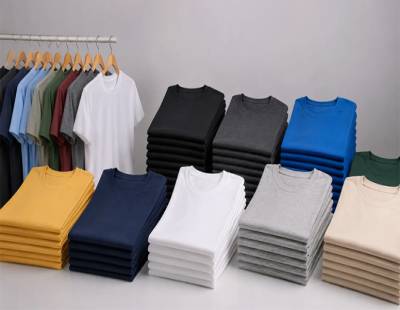
Ordering T-shirts in bulk means you really need to plan it properly, even when it feels simple. Because quality, pric...
Read MoreAshpa Manufacturers and Traders provided excellent quality uniforms with impressive fabric, fitting, and finishing. Their team was professional and understood our requirements perfectly.
We had a great experience with Ashpa Manufacturers and Traders. The uniform quality was excellent, and the customization and finishing were exactly as per our expectations.
Ashpa Manufacturers and Traders delivered professional-looking uniforms with great fabric quality and neat stitching. The overall service was smooth and reliable.
Very happy with the uniforms supplied by Ashpa Manufacturers and Traders. The material was comfortable, the fitting was good, and the finishing looked highly professional.
Ashpa Manufacturers and Traders has been a dependable uniform partner for us. Their quality, customization, and attention to detail made the entire experience excellent.
The team at Ashpa Manufacturers and Traders was very professional and responsive. We received quality uniforms with excellent stitching and a clean, professional finish.
We are completely satisfied with Ashpa Manufacturers and Traders. The quality and finishing were excellent, and the uniforms met our requirements perfectly.
We manufacture medical, corporate, school, college, industrial, hospitality, hotel, security, sports, and customized uniforms for organizations across different industries.
Yes. We offer customized uniforms with logo embroidery, screen printing, sublimation printing, custom colors, and personalized branding.
We serve hospitals, schools, colleges, corporates, industries, hotels, restaurants, security agencies, sports clubs, institutions, and government organizations.
Yes. We specialize in bulk manufacturing for businesses, institutions, healthcare facilities, and educational organizations.
Yes. We provide logo embroidery, screen printing, heat transfer printing, and sublimation printing based on your branding requirements.
We use premium-quality fabrics selected according to the garment type, comfort, durability, and industry requirements.
Delivery time depends on the order quantity, customization requirements, and production schedule.
You can contact our team with your uniform requirements, quantity, branding details, and preferred fabric to receive a customized quotation.